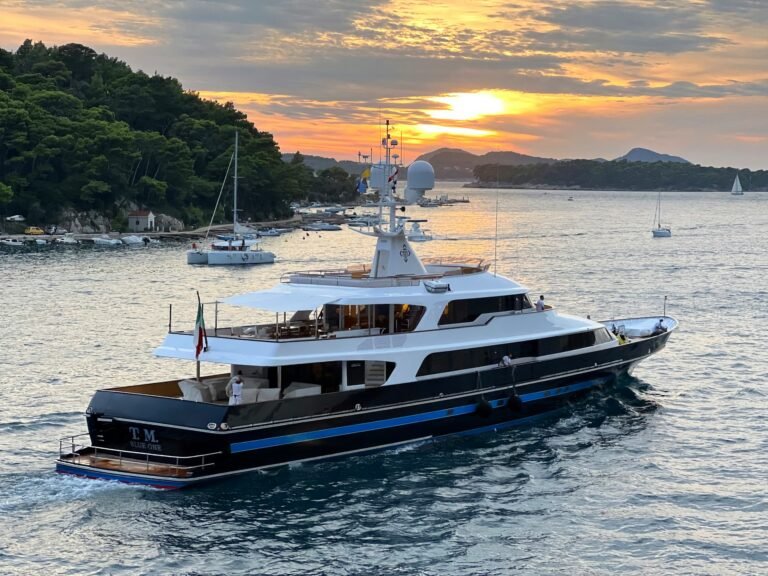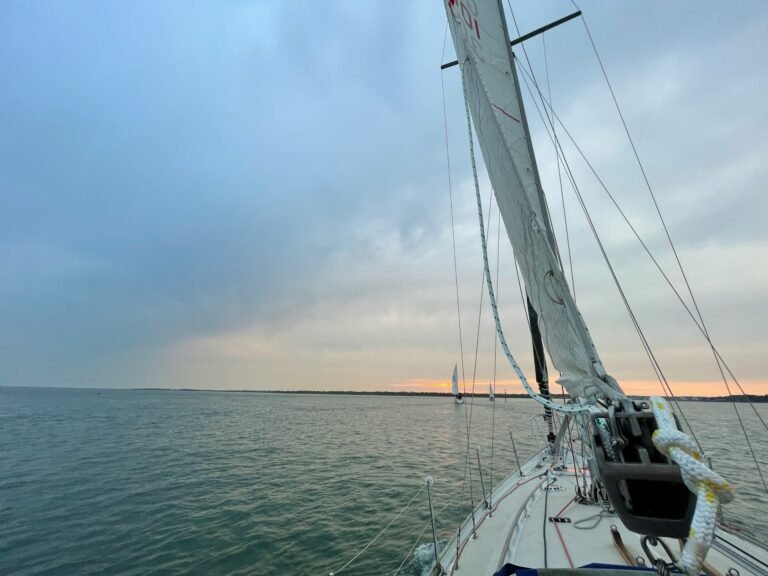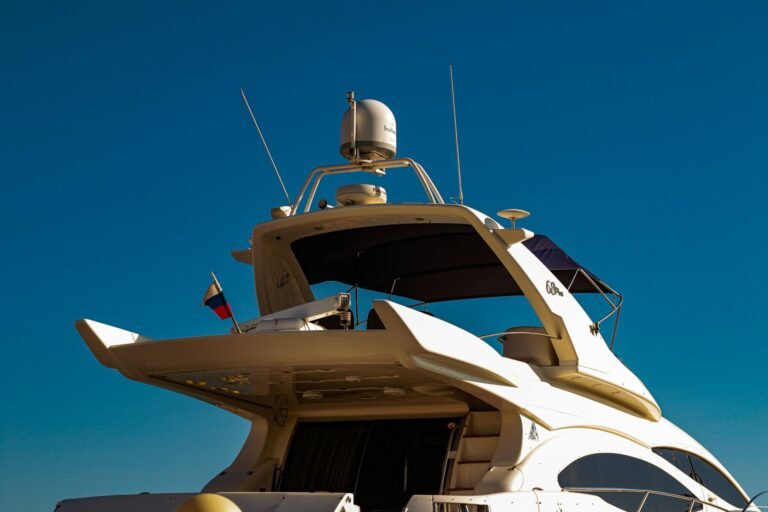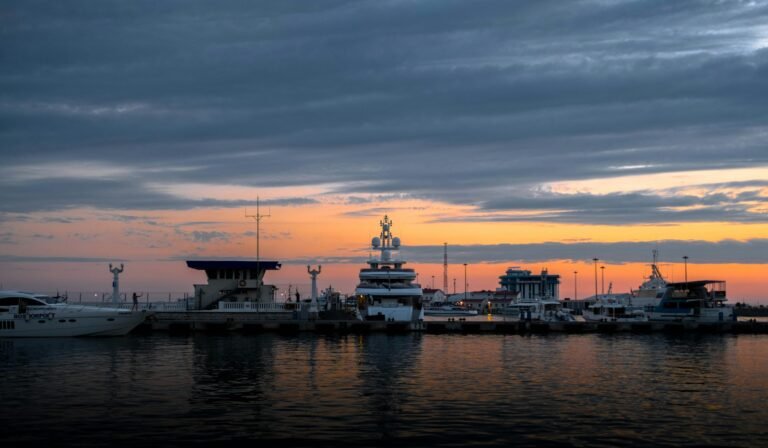
The Modern Yacht: Deep Technical Anatomy of Luxury Engineering
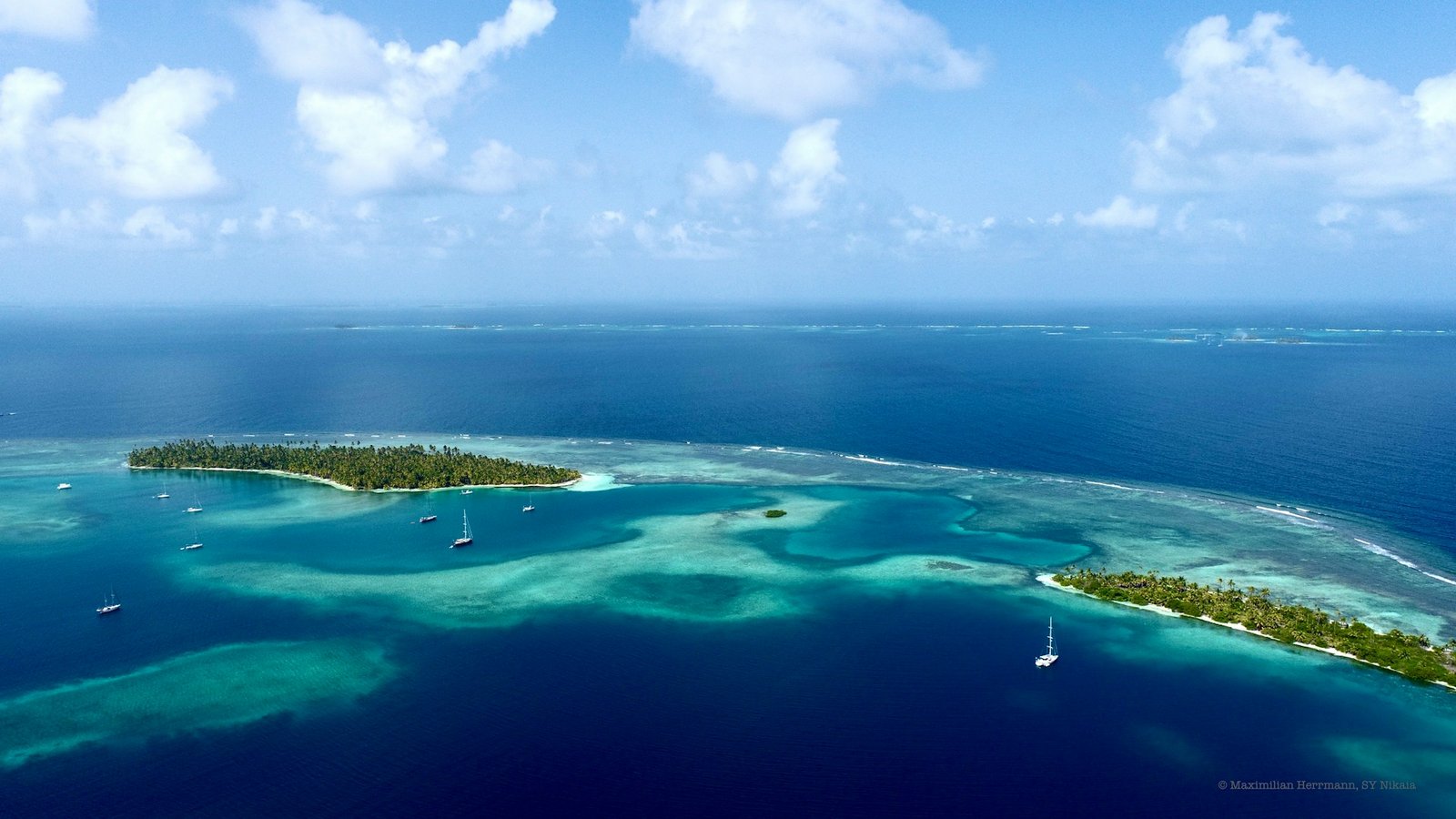
Yachts are often perceived as floating palaces — symbols of wealth, leisure, and refined taste. But behind the polished stainless steel, the teak decks, and the panoramic glazing lies a world of precision engineering, hydrodynamic science, and systems integration that rivals aviation and automotive design.
A modern yacht is a self‑contained ecosystem: a power plant, a hotel, a water treatment facility, a data center, and a high‑performance vehicle — all in one.
This expanded article explores the deeper layers of yacht engineering, from hull optimization to propulsion, stabilization, energy systems, and the future of sustainable marine technology.
1. Hull Design: Hydrodynamics, CFD, and Structural Engineering
The hull is the yacht’s core — a shape that must satisfy dozens of competing requirements: speed, stability, comfort, efficiency, aesthetics, and structural integrity.
1.1 Hydrodynamic Optimization Using CFD
Modern hulls are no longer shaped by intuition alone. Designers use Computational Fluid Dynamics (CFD) to simulate:
- Wave resistance
- Pressure distribution
- Flow separation
- Spray formation
- Cavitation around propellers
- Trim and sinkage at various speeds
CFD allows engineers to test hundreds of hull variations before a single mold is built.
Example: A 1% reduction in drag on a 50‑meter yacht can save tens of thousands of liters of fuel per year.
1.2 Structural Engineering: The Skeleton of the Yacht
A yacht’s hull is a complex structure of:
- Longitudinals
- Transversals
- Bulkheads
- Stringers
- Frames
These components distribute loads from:
- Waves
- Engines
- Fuel tanks
- Stabilizers
- Superstructure weight
Finite Element Analysis (FEA) is used to ensure the hull can withstand extreme conditions — including slamming loads when the bow hits a wave at speed.
1.3 Hull Types in Depth
Displacement Hulls
- Operate below hull speed
- Excellent for long‑range cruising
- Smooth motion in heavy seas
- Often steel or aluminum
Use case: Expedition yachts crossing oceans.
Semi‑Displacement Hulls
- Combine buoyancy and lift
- Efficient at mid‑range speeds
- Require careful weight distribution
Use case: Modern 25–40m family cruisers.
Planing Hulls
- Ride on top of the water
- Require high horsepower
- Sensitive to trim and weight
Use case: Sport yachts, chase boats, high‑speed tenders.
1.4 Hull Materials: Engineering Trade‑offs
Steel
- High strength
- Excellent impact resistance
- Heavy → stable but slower
Aluminum
- Lightweight
- Corrosion‑resistant
- Ideal for custom superstructures
Fiberglass (GRP)
- Versatile
- Cost‑effective
- Easy to repair
Carbon Fiber
- Highest stiffness‑to‑weight ratio
- Used in racing yachts and performance cruisers
- Expensive but unmatched
2. Propulsion Systems: Power, Efficiency & Innovation
Propulsion is the heart of the yacht — and one of the fastest‑evolving areas of marine engineering.
2.1 Diesel Engines: The Workhorses
Modern marine diesels use:
- Common‑rail injection
- Turbocharging
- Aftercooling
- SCR (Selective Catalytic Reduction)
They deliver high torque at low RPM — ideal for pushing heavy hulls.
2.2 Diesel‑Electric Hybrid Systems
A hybrid yacht can:
- Cruise silently on electric motors
- Use diesel generators for high‑load operation
- Store energy in lithium‑ion batteries
Advantages:
- Lower emissions
- Reduced vibration
- Flexible engine room layout
- Improved fuel economy
Example: A 60m hybrid yacht can reduce fuel consumption by 20–30% during slow cruising.
2.3 Pod Drives (IPS, Zeus)
Pod drives revolutionized maneuverability.
Technical benefits:
- 360° rotation
- Joystick docking
- Reduced drag
- Better fuel efficiency
Why it matters: Even a 70‑foot yacht can be docked with one hand.
2.4 Waterjets
Used in high‑speed yachts and military craft.
Advantages:
- No exposed propellers
- High thrust at speed
- Excellent maneuverability
Limitations:
- Less efficient at low speeds
2.5 Fully Electric Yachts
Still limited by battery density, but ideal for:
- Day cruisers
- Eco‑resorts
- Protected marine zones
Key challenges:
- Battery weight
- Charging infrastructure
- Range limitations
3. Stabilization: The Engineering of Comfort
Comfort at sea is a technical achievement.
3.1 Fin Stabilizers
Hydrodynamic fins counteract roll.
Zero‑speed fins: Oscillate rapidly to stabilize at anchor.
Underway fins: Adjust angle based on gyroscopic sensors.
3.2 Gyroscopic Stabilizers
A spinning flywheel creates anti‑roll torque.
Advantages:
- No external appendages
- Extremely effective at anchor
- Minimal drag
Limitations:
- Heavy
- High electrical demand
3.3 Interceptors
Vertical blades that adjust trim.
Benefits:
- Reduce pitch
- Improve planing efficiency
- Enhance acceleration
4. Electrical, HVAC & Automation Systems
A modern yacht is a floating smart home.
4.1 Power Generation & Distribution
Systems include:
- Lithium‑ion battery banks
- Redundant generators
- Inverters & converters
- Shore‑power transformers
- Energy management software
Trend: Hybrid DC grids for efficiency and redundancy.
4.2 HVAC Systems
HVAC is one of the largest energy consumers on board.
Engineering challenges:
- Salt air corrosion
- Humidity control
- Noise reduction
- Efficient ducting in tight spaces
4.3 Automation & Control
Integrated systems manage:
- Lighting
- Climate
- Navigation
- Entertainment
- Security
- Engine monitoring
Brands: Crestron, Control4, EmpirBus, Maretron.
5. Navigation & Communication Technology
5.1 Navigation Suite
A modern bridge includes:
- Multi‑function displays
- Radar (X‑band for detail, S‑band for weather)
- AIS Class A/B
- GPS + GLONASS + Galileo
- Forward‑looking sonar
- Autopilot with adaptive algorithms
5.2 Communication Systems
- VHF + DSC
- Satellite internet (Starlink Maritime, VSAT)
- LTE/5G coastal systems
- Internal Wi‑Fi mesh networks
6. Sustainability: Engineering the Future of Yachting
Environmental responsibility is reshaping yacht design.
6.1 Hybrid & Electric Propulsion
- Lower emissions
- Silent operation
- Reduced fuel burn
6.2 Solar Integration
- Solar roofs
- Solar‑assisted hotel loads
6.3 Advanced Hull Coatings
- Reduce drag
- Prevent biofouling
6.4 Water & Waste Systems
- Greywater recycling
- Advanced sewage treatment
- Reverse‑osmosis desalination
7. The Next Decade: What’s Coming
Expect breakthroughs in:
- Hydrogen fuel cells
- Autonomous docking
- AI‑assisted navigation
- Ultra‑light composite structures
- Zero‑emission superyachts
- Smart energy ecosystems
The yacht of the future will be quieter, cleaner, smarter, and more efficient — without sacrificing luxury.
Useful links
Naval Architecture
- Royal Institution of Naval Architects https://www.rina.org.uk
- SNAME https://www.sname.org
- MIT Sea Grant Hydrodynamics https://seagrant.mit.edu
Shipyards & Design
- Feadship https://www.feadship.nl
- Lürssen https://www.lurssen.com
- Benetti https://www.benettiyachts.it
- Sunseeker https://www.sunseeker.com
Propulsion
- Volvo Penta IPS https://www.volvopenta.com
- MAN Marine https://www.man-es.com
- MTU https://www.mtu-solutions.com
Stabilization
- Seakeeper https://www.seakeeper.com
- Humphree https://humphree.com
- Naiad Dynamics https://www.naiad.com
Navigation
- Navionics https://www.navionics.com
- Raymarine https://www.raymarine.com
- Garmin Marine https://www.garmin.com/marine
Sustainability
- IMO https://www.imo.org
- Sunreef Eco https://www.sunreef-yachts.com
- Silent Yachts https://www.silent-yachts.com